

Indian cuisine is renowned worldwide for its vibrant flavors, rich spices, and diverse range of dishes. The role of an Indian cook in preserving and evolving this culinary tradition is paramount. With centuries of culinary heritage and a deep-rooted connection to regional ingredients and techniques, Indian cooks play a vital role in shaping the country’s gastronomic landscape.
Indian cuisine is characterized by its extensive use of spices, such as cumin, turmeric, coriander, cardamom, and chili. The Indian cook understands the delicate balance of flavors and aromas that these spices impart to a dish. They skillfully blend and roast them, creating complex spice blends known as masalas, which form the foundation of many Indian dishes. Each region in India has its own unique blend of spices, resulting in a diverse array of flavors and culinary styles.
Indian cooks possess a deep knowledge of traditional recipes that have been passed down through generations. They understand the importance of traditional cooking methods, such as slow-cooking, tandoori grilling, and clay pot cooking. These techniques contribute to the distinct taste and texture of Indian dishes. An Indian cook is well-versed in these methods and knows how to bring out the best in each ingredient.
One of the key skills of an Indian cook is the ability to adapt and innovate. While honoring the traditional recipes, Indian cooks are not afraid to experiment with new ingredients and techniques. They are constantly seeking inspiration from different cuisines and incorporating them into Indian dishes, creating fusion masterpieces that showcase their creativity and versatility.
Indian cooks are also highly knowledgeable about the medicinal properties of various ingredients. Ayurveda, the ancient Indian system of medicine, recognizes the therapeutic benefits of spices and herbs.
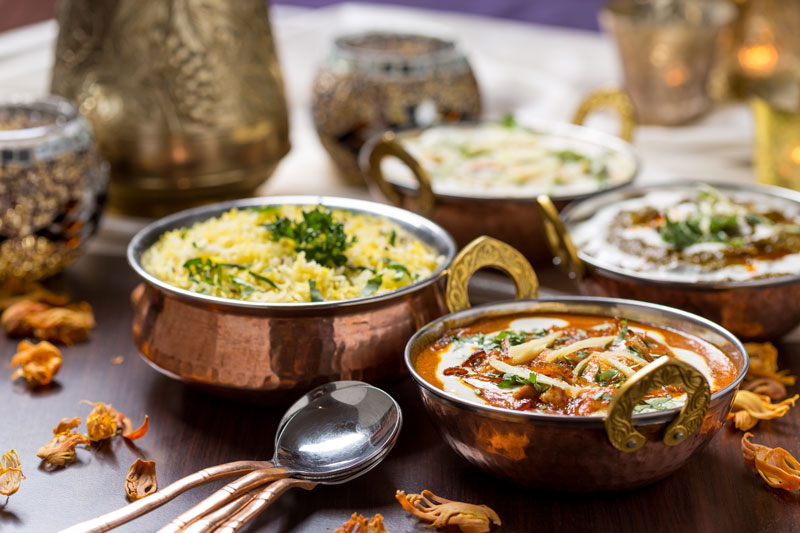
Indian cooks utilize this wisdom to create dishes that not only delight the taste buds but also promote good health and well-being.
The role of an Indian cook extends beyond the kitchen. They act as custodians of culinary traditions, passing on their knowledge and skills to the next generation. In Indian households, cooking is often a family affair, and children learn the art of cooking from their parents and grandparents. Indian cooks take pride in teaching their children the secrets of authentic Indian cuisine, ensuring that the culinary heritage lives on.

Indian cooks are found in a variety of settings, from street food vendors and small family-owned restaurants to high-end establishments and catering services. Their expertise is in high demand, both in India and abroad. Indian cuisine has gained immense popularity globally, and Indian cooks play a crucial role in bringing the authentic flavors of India to international audiences.
In conclusion, an Indian cook is much more than just a culinary professional. They are the torchbearers of a rich gastronomic tradition, blending tradition with innovation and preserving the essence of Indian cuisine. Their skills, knowledge, and passion for cooking are what make Indian food a delight to savor and an integral part of the country’s cultural fabric. Whether it’s a humble street-side snack or an elaborate feast fit for royalty, an Indian cook brings a touch of magic to every dish, leaving a lasting impression on those fortunate enough to experience their culinary prowess.